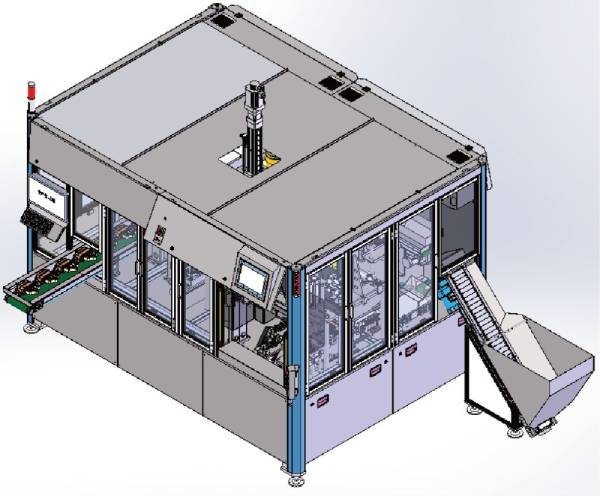
In recent years, with the continuous development of industry and the steady increase in labor costs, many manufacturers have found it increasingly difficult to recruit workers while facing higher employment expenses. As a result, more and more companies are adopting automation equipment to address these challenges.
Since most automation equipment is developed based on specific products and production requirements, there is no universal design standard that applies to every application. However, when designing automation machinery, three fundamental principles should always be followed.
The technical principle means that all performance requirements of the equipment—from design and manufacturing to operation—must comply with the relevant technical specifications and standards.
These requirements include both static and dynamic technical indicators. Static indicators include equipment power, structural strength, service life, and operating efficiency. Dynamic indicators include thermal stability, wear resistance, and friction resistance.
Therefore, during the design process, every component should meet the required technical specifications to ensure that the equipment operates reliably and performs as intended.
Standardization is another essential principle in automation equipment design. It can be considered from two aspects.
The design process involves professional terminology, units of measurement, symbols, and technical definitions. These should all follow recognized standards to ensure consistency. Any inconsistencies or errors may affect the performance and proper operation of the equipment.
If testing, measurement, or other verification procedures are required during the design process, they should be carried out at designated locations and in accordance with the relevant standards and specifications. This helps ensure the performance and reliability of the equipment.
Safety should always be a primary consideration when designing automation equipment, particularly in the following areas.
The quality of all equipment components should comply with the relevant design standards. Components should be designed to prevent excessive deformation, fracture, or other failures during operation, thereby ensuring reliable equipment performance.
The design should ensure the safety of operators and provide a safe working environment so that production activities can be carried out smoothly.
The potential impact of the equipment on the surrounding environment should also be considered, including factors such as machine noise and exhaust emissions. Appropriate preventive measures should be taken according to the actual operating conditions.
Prev: 10 Mechanical Skills and How to Develop Them
Next: Material selection and application in mechanical design